A major stretch of the Mitchell Highway in New South Wales will soon see a lower speed limit as authorities respond to ongoing safety concerns along one of the state’s key regional freight corridors.
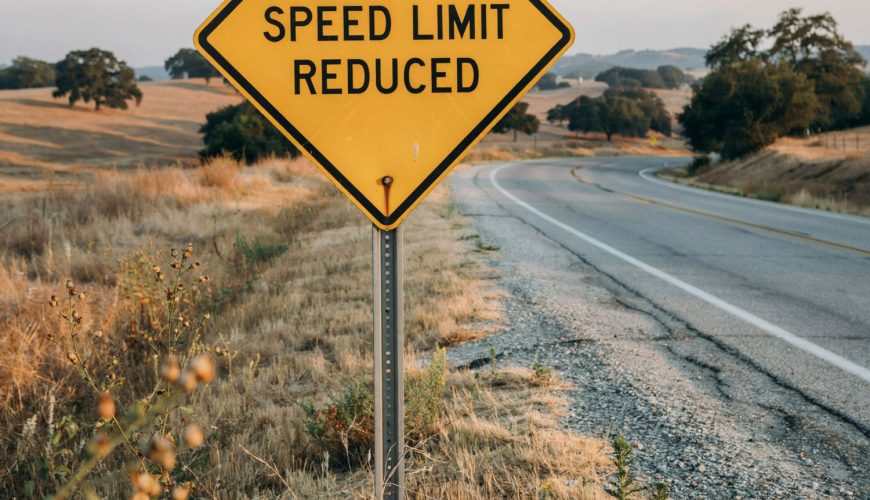
From June 22, the speed limit between Dubbo and Wellington will be reduced from 110 km/h to 100 km/h across two sections of the highway following a review conducted by Transport for NSW.
The decision comes after crash data revealed a concerning safety record on the route, sparking debate about whether lower speed limits alone are enough to improve safety.
What Is Changing?
The revised speed limits will apply to:
- A 14.1-kilometre section between Wellington and Geurie
- A 20.7-kilometre section between Geurie and Dubbo
The existing 50 km/h speed limit through Geurie will remain unchanged.
New speed signage is being installed ahead of the changes taking effect.
Why Are the Speed Limits Being Reduced?
According to Transport for NSW, the decision follows a detailed speed zone review of the 110 km/h sections of the Mitchell Highway.
Over the most recent five-year reporting period:
- 38 crashes occurred on the affected sections
- 38 people were injured
- Five people lost their lives
The review examined a range of factors, including:
- Crash history
- Traffic volumes
- Road conditions
- Traffic mix
- Number of access points
- Road environment
While the highway features relatively flat terrain and clear roadsides, it remains an undivided road, meaning there is no physical separation between opposing lanes of traffic.
Transport for NSW modelling suggests the lower speed limit could reduce:
- Fatal crashes by approximately 27%
- Serious injury crashes by approximately 21%
Impact on Heavy Vehicle Operators
For most heavy vehicle operators, the change is expected to have little direct impact.
Heavy vehicles are already generally limited to 100 km/h, meaning many trucks operating along the corridor are already travelling at the new posted speed.
Transport for NSW estimates the reduced limit will add less than one minute to the journey between Dubbo and Wellington for most road users.
Calls for Infrastructure Upgrades Instead
While safety advocates have welcomed efforts to reduce crashes, others argue that reducing speed limits is only part of the solution.
There are growing calls for greater investment in the highway itself, including:
- Additional overtaking lanes
- Road surface improvements
- Upgrades to key sections of the corridor
- Long-term infrastructure improvements to support freight and regional traffic growth
The Mitchell Highway remains a vital route for:
- Freight operators
- Primary producers
- Local communities
- Tourism traffic
Many industry stakeholders believe infrastructure improvements would deliver long-term safety and productivity benefits alongside any speed management measures.
Safety Remains the Priority
The speed limit changes follow a number of serious incidents on the Mitchell Highway, including a recent multi-vehicle crash involving a truck and several passenger vehicles south of Wellington.
While opinions may differ on the effectiveness of speed reductions, the underlying goal remains the same: reducing the number and severity of crashes on one of regional New South Wales’ most important transport routes.
For truck drivers and transport operators using the corridor, the key takeaway is simple:
👉 Be aware of the new speed limits from June 22 and plan journeys accordingly.
At Logbook Checker, we’re committed to keeping drivers informed about road network changes that affect safety, compliance, and day-to-day operations across Australia.